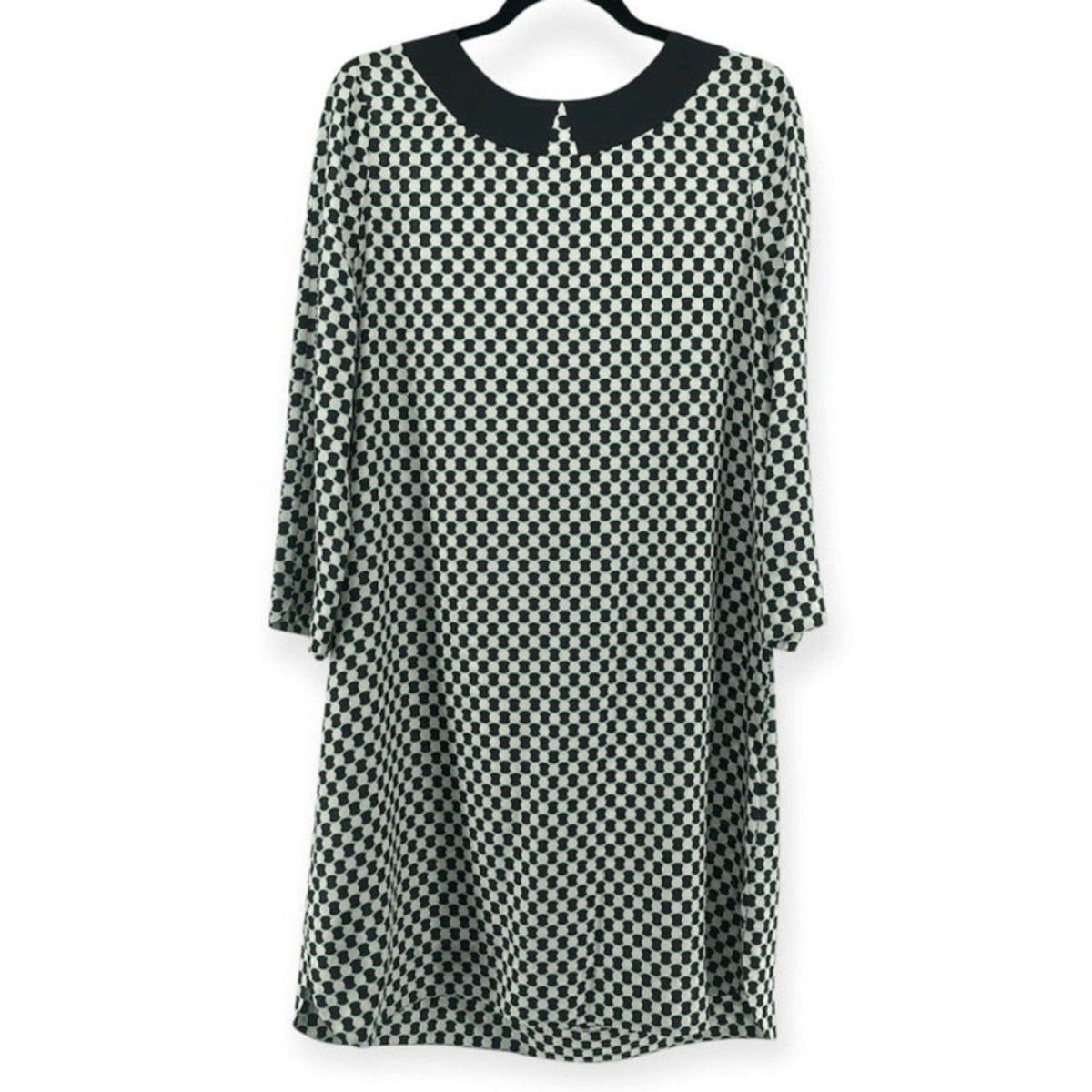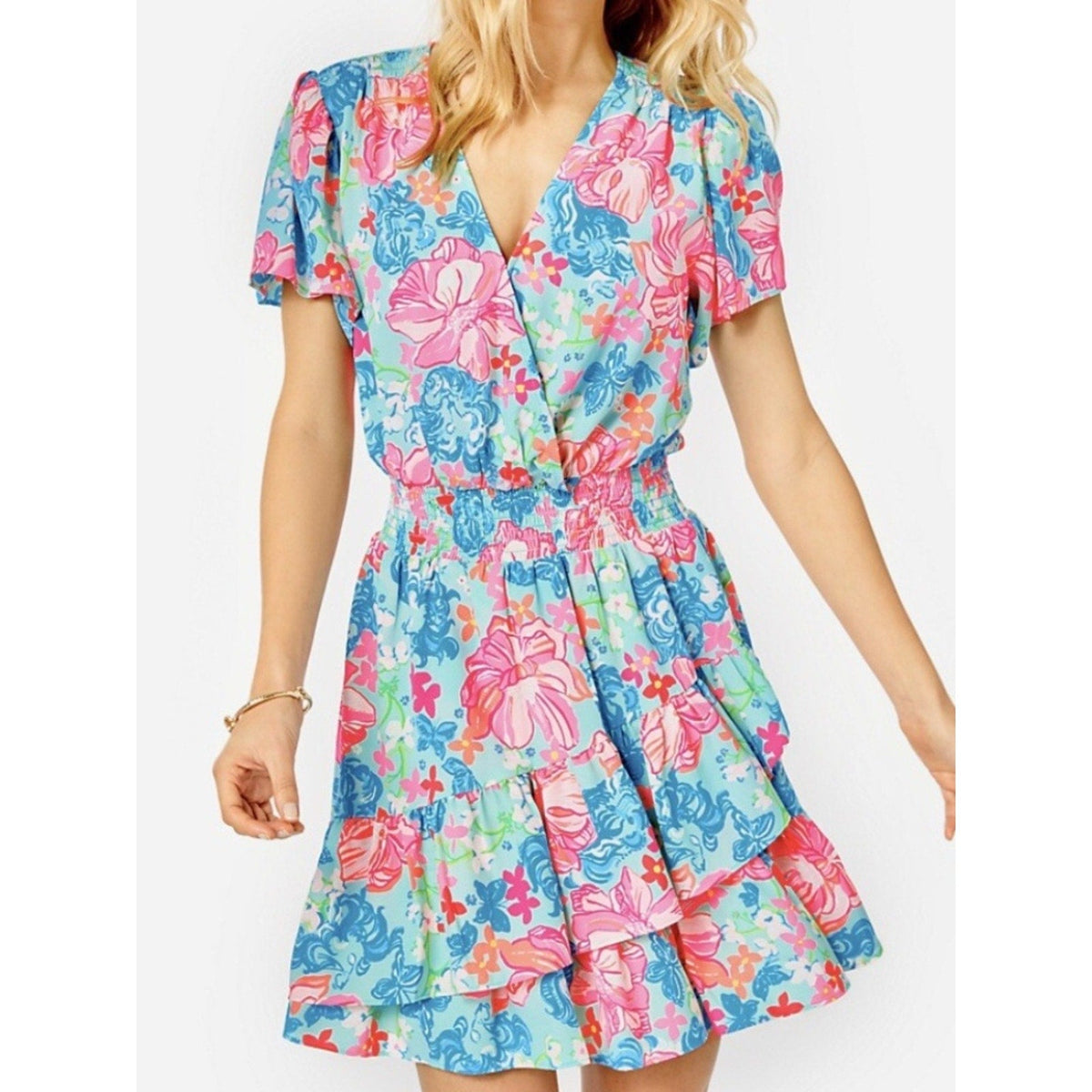
Sell Your Lilly Pulitzer: What It's Worth, and How to Turn It Into Cash
That closet full of Lilly you've stopped reaching for? In 2026 it's one of the most in-demand things in resale — and worth real money. Here's what it's worth, and the easiest way to turn it into cash.
Every Lilly Pulitzer lover knows the feeling: a closet section glowing with prints you adored, worn hard for a few seasons, and then quietly retired. The Roll Tide shift from that trip. The pink-and-green everything. They're too good to donate and too loved to toss — so they sit. The good news is that those pieces aren't just taking up space. They're an asset, and right now the market is hungry for exactly what you have.
Here's the detail that changes the math. According to ThredUp's 2026 Resale Report, the single biggest thing holding back the booming secondhand market isn't shopper demand — it's supply. There simply aren't enough quality pre-loved designer pieces to meet the appetite for them. Translated: buyers are actively searching for the Lilly in your closet, and there isn't enough of it to go around.
This guide walks through what your Lilly Pulitzer is actually worth in 2026, which pieces sell fastest, how to get the most for them, and the simplest way to turn them into a check.
Why Lilly Pulitzer Is Worth Selling (Not Donating)
Not every brand is worth the effort of reselling. Lilly is, and it comes down to how the brand works.
Lilly Pulitzer releases its prints in named, limited runs and then retires them. That creates genuine scarcity: a print that sold out years ago can't be bought new at any price, which is why a well-kept older piece is often more sought-after now than the season it came from. Add the brand's durable construction — cottons and knits built to survive many seasons — and you get resale pieces that arrive in excellent, ready-to-wear shape and hold their value. Archival 'White Label' pieces from the brand's earlier eras have a devoted collector following all their own.
In practice, that means the Lilly gathering dust in your closet has a real second-hand market. Curious what pieces like yours are selling for? Browse the Lilly Pulitzer collection to see current pricing in action.

Why 2026 Is a Strong Year to Sell
Timing matters, and the resale market has rarely tilted more in a seller's favor. ThredUp's research projects the global secondhand apparel market will reach $393 billion by 2030, growing about twice as fast as the apparel market overall — and in the U.S., resale is expanding roughly four times faster than traditional retail. Last year alone the global secondhand market grew 13%, while new-clothing sales stayed nearly flat.
More shoppers choose pre-loved every season, and more of them search specifically for the designer names they trust. For a brand with Lilly's devoted following, that combination — surging demand and a genuine shortage of quality supply — is about as favorable as selling conditions get. The pieces in your closet are, in market terms, an opportunity that's appreciating rather than fading.
What Your Lilly Pulitzer Is Worth in 2026
Resale value depends on four things: the category, the print, the condition, and whether the tags are still attached. The ranges below reflect what well-kept Lilly commonly earns on consignment in good-to-excellent condition. Rare or retired prints and new-with-tags pieces sit at the top of each range (and can exceed it).
| Category | Typical resale range | What lifts the value |
|---|---|---|
| Shift & printed dresses | $55–$95 | Iconic or retired prints, pristine condition |
| Vintage 'White Label' | $45–$120+ | Rarity and collector demand |
| Silk blouses & tunics | $45–$85 | Silk, statement prints |
| Sweaters & knits | $35–$60 | Fall/holiday timing |
| Skirts & shorts (incl. Callahan) | $28–$75 | New-with-tags, popular fits |
| Rompers & jumpsuits | $55–$90 | Warm-weather demand |
| Swimwear & cover-ups | $40–$90 | Peaks ahead of resort season |
| New-with-tags (any category) | +20–40% premium | Unworn, tags attached |
Treat these as a starting point, not a promise — the resale market ultimately sets each price based on the exact print, size, and condition. But they show why 'I'll just donate it' often leaves real money on the table.
Which Lilly Pieces Sell Fastest
If you want a quick sale, some pieces move faster than others:
- Dresses, especially shifts. The signature silhouette in a recognizable print is the most-searched Lilly category, full stop.
- New-with-tags anything. Unworn pieces with tags attached sell quickly and command a premium.
- Retired and archival prints. Scarcity does the selling for you — collectors watch for these.
- Resort and swim, seasonally. Demand climbs heading into cruise and winter-escape season, so timing matters (more on that below).
Which Lilly Prints and Eras Are Most Collectible
Not all Lilly is valued equally, and knowing why helps you spot the pieces worth consigning first:
- Retired prints. Once a print is discontinued, it can only be found secondhand — and demand for a beloved retired print doesn't fade. These are frequently the most valuable pieces in a closet.
- Vintage 'White Label.' Lilly's earlier eras, before the brand's modern relaunch, carry a different label and a dedicated collector base. Age, rarity, and the character of the original prints drive their value.
- Signature and engineered prints. Lilly's most recognizable motifs — the ones people can name across a room — hold value because they're unmistakably Lilly.
- Collaborations and limited runs. Special releases were made in smaller quantities, which is exactly what collectors chase.
If you're not sure what you have, don't worry — you don't need to be an expert to consign. Note the label style and any print name you can find, and the resale market will do the rest.
How to Get the Most for Your Lilly
A few simple things meaningfully raise what your pieces earn:
Present them clean and pressed. Freshly laundered, wrinkle-free, odor-free pieces photograph better and sell for more. Note any small flaws honestly — transparency builds buyer trust and reduces returns.
Keep the tags on. If a piece still has its tags, leave them. New-with-tags Lilly reliably earns a premium over the same item used.
Know the print name if you can. Lilly's prints have names, and buyers search for them. If you remember (or can find) the print, it helps your piece get discovered.
Time the seasonal pieces. Resort wear, swim, and bright warm-weather prints do best listed ahead of demand — late fall into winter, as shoppers plan cruises and escapes. Dresses and knits sell year-round.
Send several at once. Consigning a batch is no harder than sending one piece, and a fuller shipment means a bigger payout when they sell.
Getting Your Lilly Ready to Send
A little prep makes the whole process smoother:
- Launder or steam each piece so it's clean, fresh, and wrinkle-free.
- Do a quick condition check — note any small marks, missing buttons, or wear so each piece can be described honestly.
- Gather any tags, and keep new-with-tags pieces with their tags attached.
- Group by category — dresses, tops, skirts, swim — so your item list is quick to fill out.
- Take a rough count of what you're sending; a fuller shipment means a bigger payout when it sells.
That's genuinely all it takes on your end. Once your pieces arrive, the photography, listing, pricing, and selling are handled for you.
Consign It, or Sell It Yourself?
You have two real options for turning Lilly into cash, and they suit different people.
Do it yourself on a marketplace like Poshmark, eBay, or Mercari. You keep the full sale price minus fees — but you also do all the work: photographing each piece, writing listings (and getting the print names right), answering buyer questions, negotiating, packing, shipping, and handling returns. For one item it's manageable. For a closet's worth, it's a part-time job.
Consign it and hand the work to someone else. You give up a share of each sale, and in exchange you skip the photography, listing, messaging, and shipping entirely. For most people with a stack of Lilly and not much free time, the trade is easily worth it — the pieces sell, and a check shows up without the hassle.
How to Consign Your Lilly With Housewives Treasures
If consignment sounds like the right call, here's how simple it is with our Sell With Us program:
- Check the accepted brands. Lilly Pulitzer is very much on the list, alongside 100+ designer labels.
- Send us your item list. A quick consignment form is all it takes to get started.
- Get a prepaid shipping label, typically within 48 hours — so it costs you nothing to send your pieces in.
- Ship your Lilly. We handle the professional photography, listing, pricing, and sale.
- Earn your share when each piece sells, with some of the most competitive commission tiers in consignment.
No photographing, no listing, no buyer messages, no trips to the post office. If you want the full mechanics of payouts and preparation, our step-by-step guide to consigning luxury fashion in 2026 covers it in detail. And if you're curious what your pieces will look like to buyers, our guide to buying pre-owned Lilly Pulitzer shows the other side of the same transaction.
See what your Lilly is worth — start selling →
The Bigger Picture: Your Closet Can Fund Itself
The smartest Lilly lovers we know treat their closet as a cycle, not a graveyard. You consign the prints you've loved and outgrown, and you put those earnings toward the next piece that catches your eye — or anything else. Nothing beautiful sits unworn, nothing ends up in a landfill, and your wardrobe keeps refreshing itself on its own dime. That's the quiet magic of resale: the Lilly you're done with becomes the budget for whatever's next.
Frequently Asked Questions
How much is my used Lilly Pulitzer worth?
It depends on the category, print, condition, and whether tags are attached. In good-to-excellent condition, dresses commonly earn $55–$95, tops and tunics $45–$85, and knits $35–$60, with vintage 'White Label' and retired prints reaching higher. New-with-tags pieces earn a premium. The most reliable way to find out is to submit your items and let the resale market price them.
What Lilly Pulitzer pieces sell best?
Dresses lead — especially shift dresses in recognizable named prints. New-with-tags items, retired or archival prints, and warm-weather pieces like rompers and swimwear (particularly heading into resort season) all sell quickly.
Do you accept vintage or 'White Label' Lilly Pulitzer?
Yes. Vintage and White Label pieces are genuine collector territory and are often among the most valuable Lilly you can consign, provided they're in good condition.
Do my Lilly items need to have tags?
No — well-kept used pieces sell well. But if an item still has its tags, keep them on: new-with-tags Lilly commands a higher price than the same piece worn.
How long does it take to sell a consigned piece?
It varies by piece, print, and season. Popular categories like dresses and new-with-tags items can move quickly, while seasonal pieces sell fastest when listed ahead of demand. You earn your share as each item sells.
How do I start selling my Lilly Pulitzer?
Head to our Sell With Us page, send us your item list, and we'll email a prepaid shipping label — usually within 48 hours. From there, we handle the rest.
What condition does my Lilly need to be in to consign?
Good-to-excellent, generally — clean, gently worn or better, with no major damage. Small, honestly-noted flaws are usually fine; heavily worn or stained pieces are harder to sell. When in doubt, send it in and we'll take a look.
Can I consign other brands along with my Lilly?
Yes. Lilly is one of 100+ accepted designer labels, so you can send your Lilly and the rest of your designer closet in the same shipment.
About Housewives Treasures. We're a designer consignment shop making high-end fashion attainable — and helping women turn the designer clothing they no longer wear, Lilly Pulitzer included, into cash. Start consigning or shop pre-loved Lilly.